
TRAUMA-INFORMED CARE
TRAUMA-INFORMED CARE
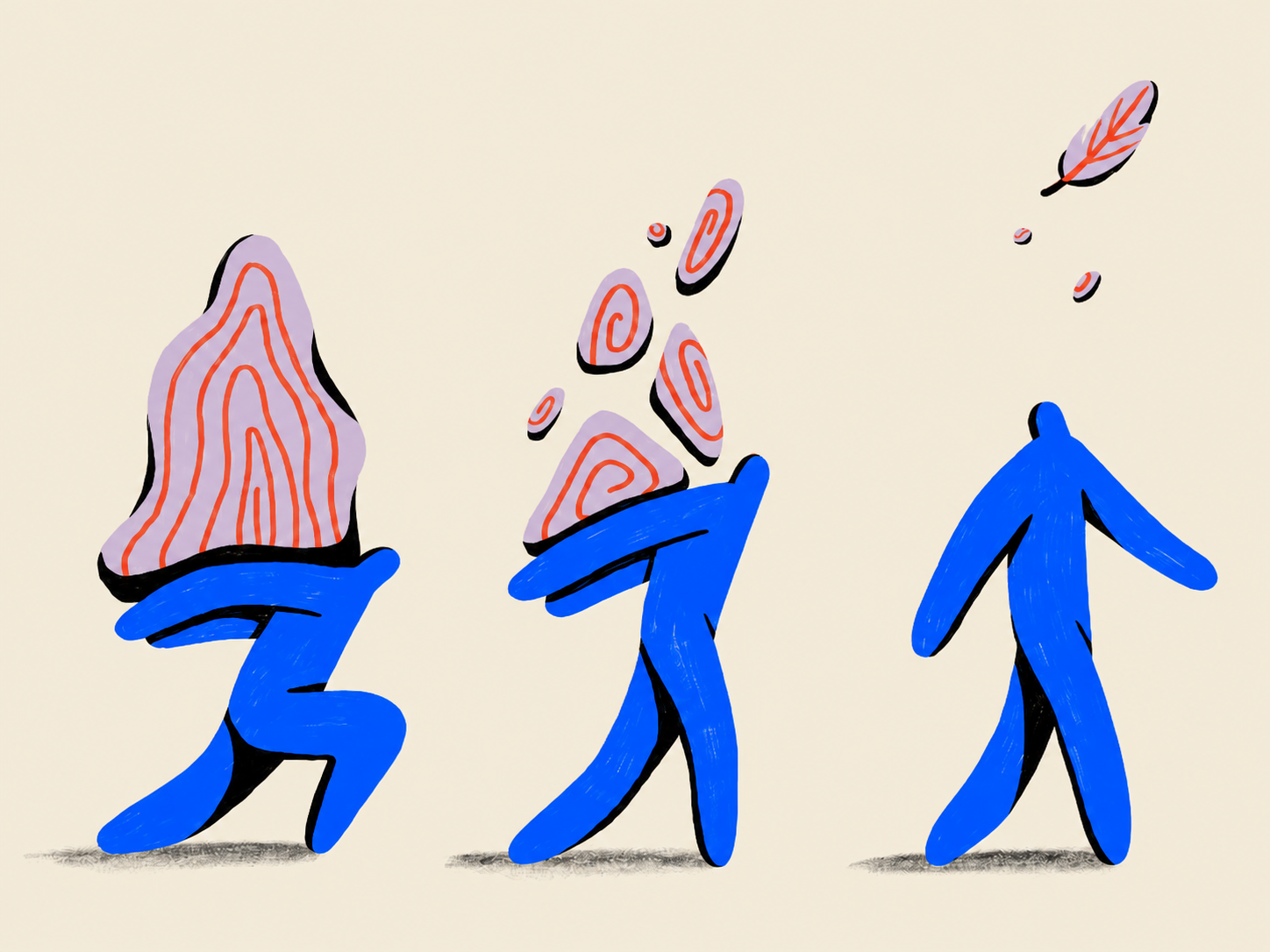
At Bristlecone Therapy we believe that healing from trauma begins with you feeling safe and seen.
At Bristlecone Therapy, we believe that healing from trauma begins with you feeling safe and seen.
What We Believe About Trauma
Every Human Is Born
WIRED FOR RELATIONSHIP
Every Human Is Born
WIRED FOR RELATIONSHIP
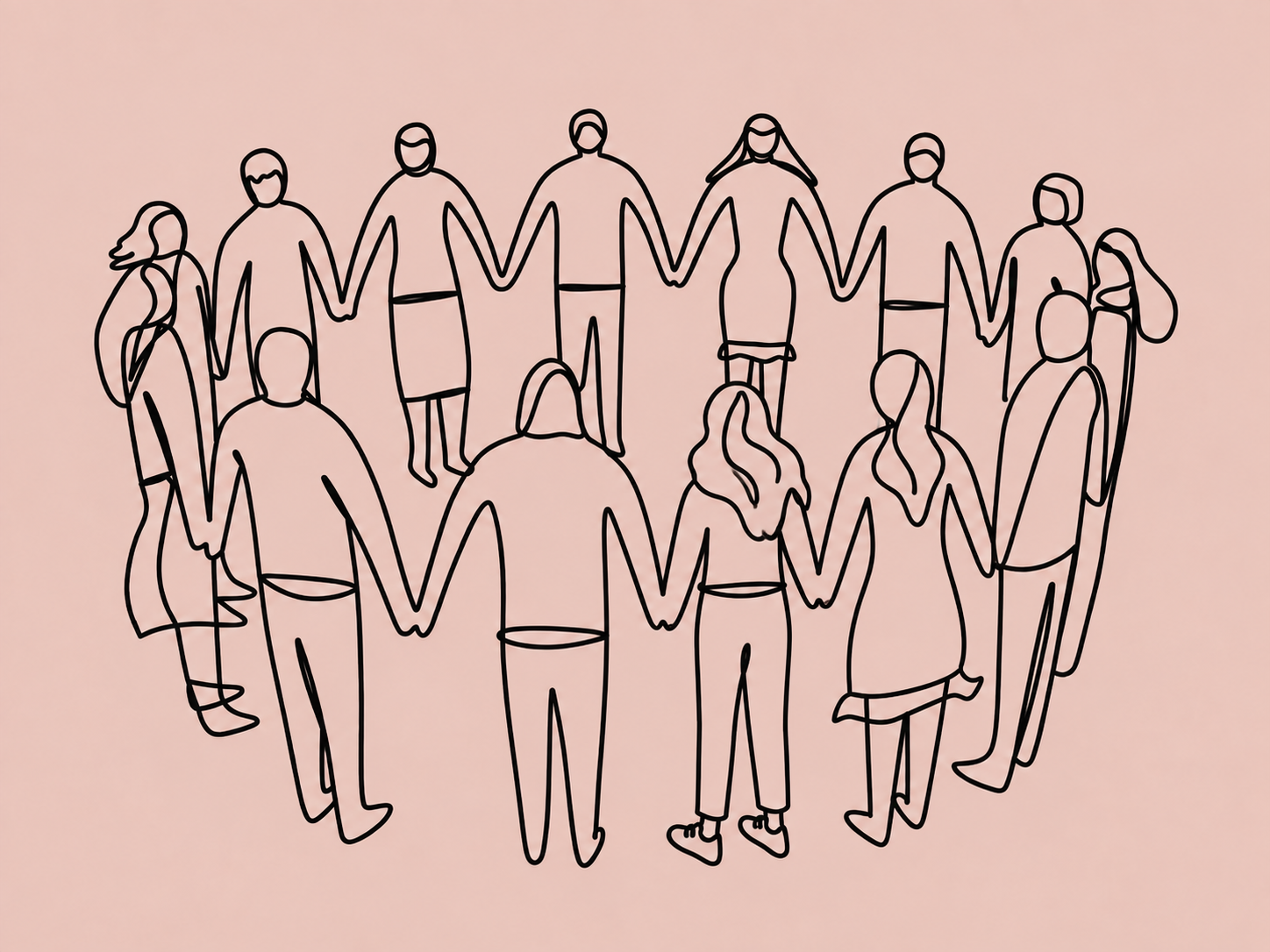
Each of us needs a home base where we feel safe and secure, seen and known. When we have people and places to call home we feel free to play, rest, explore and create. When we do not, we struggle just to be.
Each of us needs a home base where we feel safe and secure, seen and known. When we have peoples and places to call home we feel free to play, rest, explore and create. When we do not, we struggle just to be.
Trauma Is All About Being
ALONE IN OUR PAIN

Trauma is not so much about the painful events that happen to us; it is way more about whether or not we have the support of others we trust in making sense of, and moving through, what we have suffered.
Trauma Is All About Being
ALONE IN OUR PAIN
Trauma Can Manifest Itself
IN OUR BODIES
Trauma Can Manifest Itself
IN OUR BODIES

In response to an experience of trauma, our nervous systems can get stuck in chronic states of fight, flight, or freeze. This can wreak havoc on our muscles, viscera and joints—causing us to suffer even more pain.
In response to an experience of trauma, our nervous systems can get stuck in chronic states of fight, flight, or freeze. This can wreak havoc on our muscles, viscera and joints—causing us to suffer even more pain.
Trauma is not so much about the painful events that happen to us; it is way more about whether or not we have the support of others we trust in making sense of, and moving through, what we have suffered.
Healing Trauma Has To Be
MORE THAN JUST TALK
Healing Trauma Has To Be
MORE THAN JUST TALK

If trauma can get stuck in our bodies, then we need our bodies to be part of our healing. We cannot simply talk our way out of trauma. We must “process” through where it has gotten stuck inside of us.
If trauma can get stuck in our bodies, then we need our bodies to be part of our healing. We cannot simply talk our way out of trauma. We must “process” through where it has gotten stuck inside of us.
Trauma-Informed Services We Provide
At Bristlecone Therapy, we offer the following trauma-informed services: individual and couples therapy, life coaching, and shadow work facilitation.
Each of these services is offered by officially licensed or credentialed professionals who are highly skilled in navigating all the ways in which trauma can show up in our minds, bodies, and relationships.

At Bristlecone Therapy, we offer the following trauma-informed services:
Each of these services is offered by officially licensed and credentialed professionals who are highly skilled in navigating all the ways in which trauma can show up in our bodies, minds, and relationships.
-
At Bristlecone Therapy, we believe that to be trauma-informed is to agree with Polyvagal Theory founder Stephen Porges’s assertion that “safety is the treatment.”
Practically, this means that we begin all our trauma-related care by ensuring that clients feel safe enough with us to risk finding pathways out of the places where they have gotten stuck with their trauma.
Furthermore, we believe that to be trauma-informed is to be highly collaborative and consent-driven in providing care—regularly offering clients choice in how to move forward with their treatment, and never pushing clients to engaging in any activity they are not ready for.
Lastly, we believe that being trauma-informed means understanding that trauma is more about who we are with (or not with!) during an overwhelming experience than about the event itself. It also means understanding that we can hold onto trauma in various ways—in a memory, in our nervous system, in a relational schema—and, thus, we may require something more than traditional talk therapy to find healing.
-
We make use of a variety of evidence-based trauma-informed practices to support our clients in finding the healing they are seeking, including:
Our practitioners also employ a variety of somatic grounding and orienting exercises to support our clients, as they have need, in settling into their bodies and the therapy room.
-
Somatic, or body-based, therapies are approaches to healing that support you in connecting to what you are sensing in your body as related to a particular stressor in your life.
The idea behind somatic therapies is that stress, trauma, and unprocessed emotions can show up physically in your body—through, for example:
Experiences of muscle tension,
A racing heart,
Shallow breathing,
Fidgetiness, or
Numbness.
Thus, rather than only talking about a stressful situation you are facing, body-based therapies help you notice and work with the embodied responses you are having in relation to your situation.
At Bristlecone Therapy, some examples of ways you may be invited to sense and interact with your body include:
Noticing your breath and trying out different breathing techniques that can support you to feel more settled,
Experimenting with “grounding” yourself in your chair or to the support of the floor beneath your feet,
Sensing where you are experiencing stress in your body and gently responding to this part of your body, or
Letting your body move as it intuitively wants to move in relation to a situation in which you have previously felt stuck.
-
Absolutely! For couples, we offer trauma-informed services where we support partners in regulating their nervous systems so that they can settle enough with one another to do the hard work of pursuing healing together.
For groups, we offer shadow work facilitation in which clients, through the support of a certified facilitator, other group members, and/or various props, have the opportunity to set up a three-dimensional space representative of their inner world. In this way they are able to see parts of themselves, messages they carry, and frameworks for how they live and relate to others come to life before their very eyes.
-
Yes we do! We offer trauma-informed individual and couples therapy, life coaching, and shadow work facilitation services provided by clinicians and coaches who identify as faith-based individuals themselves.
In our provision of faith-based trauma-informed care, we invite our clients to bring in those aspects of their faith that feel relevant to their work with us. This may mean, for example, the inclusion of certain spiritual practices (e.g., prayer, meditation, reading of sacred texts) or explorations around how a client’s religious beliefs and values are impacting (for good or bad) their lived experiences of trauma.
-
To learn more about faith-based care at Bristlecone Therapy, or to ask any additional questions you have, you may contact our client care coordinator, Laura Kyle, or reach out to us with your questions through our “Contact Us” page.
-
At Bristlecone Therapy, we believe that to be trauma-informed is to agree with Polyvagal Theory founder Stephen Porges’s assertion that “safety is the treatment.”
Practically, this means that we begin all our trauma-related care by ensuring that clients feel safe enough with us to risk finding pathways out of the places where they have gotten stuck with their trauma.
Furthermore, we believe that to be trauma-informed is to be highly collaborative and consent-driven in providing care—regularly offering clients choice in how to move forward with their treatment, and never pushing clients to engaging in any activity they are not ready for.
Lastly, we believe that being trauma-informed means understanding that trauma is more about who we are with (or not with!) during an overwhelming experience than about the event itself. It also means understanding that we can hold onto trauma in various ways—in a memory, in our nervous system, in a relational schema—and, thus, we may require something more than traditional talk therapy to find healing.
-
We make use of a variety of evidence-based trauma-informed practices to support our clients in finding the healing they are seeking, including:
Our practitioners also employ a variety of somatic grounding and orienting exercises to support our clients, as they have need, in settling into their bodies and the therapy room.
-
Somatic, or body-based, therapies are approaches to healing that support you in connecting to what you are sensing in your body related to a particular stressor in your life.
The idea behind somatic therapies is that stress, trauma, and unprocessed emotions can show up physically in your body—through, for example:
Experiences of muscle tension,
A racing heart,
Shallow breathing,
Fidgetiness, or
Numbness.
Thus, rather than only talking about a stressful situation you are facing, body-based therapies help you notice and work with the embodied responses you are having in relation to your situation.
At Bristlecone Therapy, some examples of ways you may be invited to sense and interact with your body include:
Noticing your breath and trying out different breathing techniques that can support you to feel more settled,
Experimenting with “grounding” yourself in your chair or to the support of the floor beneath your feet,
Sensing where you are experiencing stress in your body and gently responding to this part of your body, or
Letting your body move as it intuitively wants to move in relation to a situation in which you have previously felt stuck.
TRAUMA-INFORMED CARE FAQs
TRAUMA-INFORMED
CARE FAQs
-
Absolutely! For couples, we offer trauma-informed services where we support partners in regulating their nervous systems so that they can settle enough with one another to do the hard work of pursuing healing together.
For groups, we offer shadow work facilitation in which clients, through the support of a certified facilitator, other group members, and/or various props, have the opportunity to set up a three-dimensional space representative of their inner world. In this way they are able to see parts of themselves, messages they carry, and frameworks for how they live and relate to others come to life before their very eyes.
-
Yes we do! We offer trauma-informed individual and couples therapy, life coaching, and shadow work facilitation services provided by clinicians and coaches who identify as faith-based individuals themselves.
In our provision of faith-based trauma-informed care, we invite our clients to bring in those aspects of their faith that they feel to be relevant to their work with us. This may mean, for example, the inclusion of certain spiritual practices (e.g., prayer, meditation, reading of sacred texts) or explorations around how a client’s religious beliefs and values are impacting (for good or bad) their lived experiences of trauma.
-
To learn more about faith-based care at Bristlecone Therapy, or to ask any additional questions you have, you may contact our client care coordinator, Laura Kyle, or reach out to us with your questions through our “Contact Us” page.
BRISTLECONE THERAPY
OUR LOCATION
Bristlecone Therapy is located in downtown Wheaton, IL. We have ample street parking in front of our building or in the lot behind. In addition, our office is only about a 10-minute walk from the Wheaton Metra station.

Bristlecone Therapy Office
BRISTLECONE THERAPY
315 S Naperville Rd
Wheaton, IL 60187
315 S Naperville Rd
Wheaton, IL 60187