
How Do we heal from trauma?
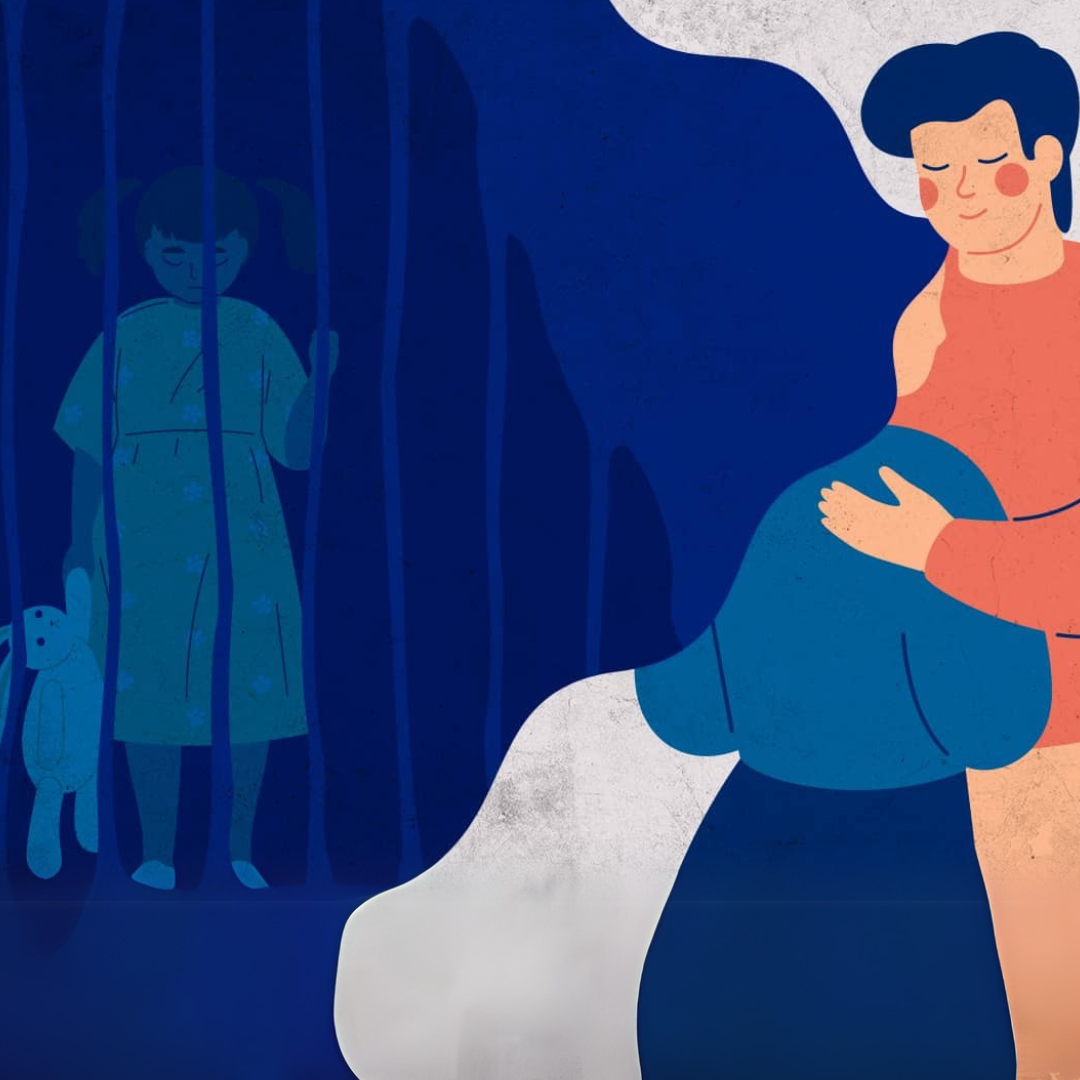
Securely attached relationships have the power to heal our trauma.
A few weeks ago, we discussed the nature of trauma. What remains to be explored is how we might begin to heal from past trauma.
In our previous blog post, we maintained that trauma, fundamentally, is the embodied experience of being alone in our pain, regardless of what type or size, or shape of pain it is. As such, it follows that healing from trauma would fundamentally involve no longer being alone in our pain. So what might no-longer-being-alone-in-our-pain look like?
We believe world-renowned trauma researcher Bessel van der Kolk has the answer. In The Body Keeps the Score, he writes that "traumatized human beings recover in the context of relationships." Bessel goes on to maintain that the role of such relationships is twofold, both to "provide physical and emotional safety, including safety from feeling shamed, admonished, or judged" and to "bolster the courage to tolerate, face, and process the reality of what has happened."
"Traumatized human beings recover in the context of relationships." - Bessel van der Kolk
As van der Kolk notes, not just any old relationship will do for trauma recovery. Rather, we need relationships that feel safe to us so that we might develop a sense of security with a trusted other. And as that sense of security grows, we come to form secure attachment bonds with our trusted other/s. With this type of bond in place, we can then take risks to move into and through our trauma (i.e., to "process" our pain), knowing that we have a trusted other at our side and a secure base to return to should the going get too rough.
But such relationships can be hard to come by. Sometimes this is because we have been burned by past relationships and have developed such a high bar for what makes another truly worthy of trust that now no human can meet our standards. Or maybe this is because we have come to carry beliefs in our minds and our bodies that tell us to truly stay safe, we have to stay away from intimacy with others. Or maybe we don't even have a sense of what a "safe relationship" could actually look like.
Whatever the case may be for you, at Bristlecone Therapy we believe we can offer space for you to develop a deep sense of safety in relationship--with your loved ones, with us, and with your own self. To that end, we want to be very sensitive in our approach to therapy with clients who are dealing with the lasting impact of trauma.
Namely, we follow our clients' felt sense of safety with the therapy process, and we do not force clients into places they do not want to go. We acknowledge clients' courage in how they have managed trauma to date. We explore with clients new ways to tell their stories, to experience their bodies, and to be in relationship with others. Most importantly, we spend time outside of therapy doing our own "personal/relational growth work" so that we are properly equipped to support our clients in doing theirs.